Spring Gutter Cleaning in Hackettstown: Start the Season Right


By the time spring settles into Hackettstown, most homeowners are ready to think about fresh mulch, green lawns, and opening the windows again. Gutters rarely make that list. They should. After a New Jersey winter, gutter systems have usually taken a beating from freeze and thaw cycles, windblown debris, and the weight of wet leaves that never fully cleared in late fall.
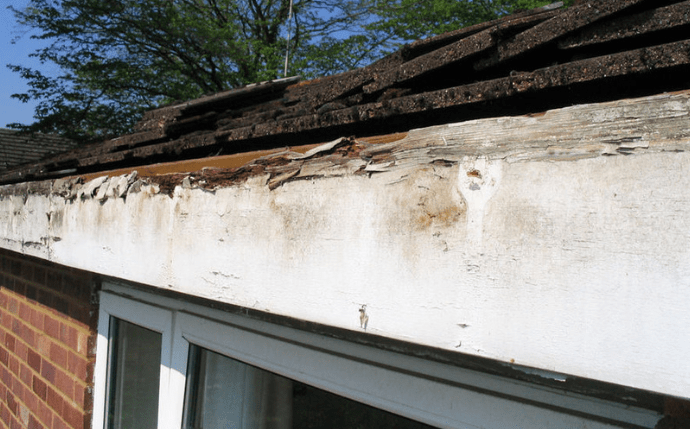
Spring gutter cleaning is not glamorous work, but it is one of the more practical ways to protect a house before heavier rains arrive. I have seen perfectly good fascia boards rot because water had nowhere to go. I have seen basement seepage traced back to something as simple as a downspout packed solid with maple seeds. These are not dramatic failures at first. They are small, nagging problems that build into expensive repairs.
For homeowners thinking about Gutter Cleaning Hackettstown services, spring is the right moment to act. The timing makes sense, the weather is more forgiving than late winter, and the payoff is immediate. A cleaned and properly flowing gutter system manages runoff the way it was designed to, moving water away from the roofline, siding, foundation, and walkways.
Why spring matters more than people think
Hackettstown gets the kind of seasonal swing that tests exterior systems. Snow and ice sit in gutters longer than they should. When temperatures rise during the day and drop again at night, trapped water expands and contracts. That cycle can loosen spikes, stress seams, and nudge gutters out of pitch. Add in sticks, acorns, seed pods, and the fine sludge that forms when leaves break down, and you end up with a channel that looks open from the ground but drains poorly where it counts.
Spring rains expose every weakness at once. A gutter does not need to be packed to the top to fail. Sometimes a thin mat of debris at the outlet is enough to create overflow. Water spills over the front edge, streaks siding, and pools along the foundation. If the back edge leaks, it can send water behind the gutter, where it soaks fascia and trim. Over time, paint peels, wood softens, and carpenter ants or mold may follow.
This is why spring cleaning is not just housekeeping. It is preventive maintenance timed to the season when water management becomes urgent again.
What winter leaves behind in a Hackettstown gutter system
Homeowners are often surprised by what comes out of gutters in March and April. It is not just leaves. In this area, a spring cleaning usually reveals a mix of compacted organic debris, granules shed from asphalt shingles, twigs dropped by birds, and heavy sediment that settles into low spots. On homes near mature trees, especially oaks and maples, the buildup can be substantial even if the gutters were cleaned in late fall.
There is also the issue of hidden ice damage. A gutter may look intact from the driveway, but once it is cleared you might notice a seam starting to separate or a hanger pulling away from the fascia. Sometimes the problem is subtle. Water stains on the underside of the gutter can indicate a persistent drip. A section that holds standing water after cleaning usually means the pitch is off. That standing water becomes mosquito habitat later in the season and accelerates corrosion in metal systems.
In my experience, spring is when these issues are easiest to catch and correct. The evidence is still fresh from winter, and repairs made now prevent a full season of water running where it should not.
The real risks of putting it off until summer
Delaying gutter cleaning by a month or two can seem harmless, especially if no dramatic overflow is visible. The trouble is that damage from poor drainage often happens slowly and out of sight. Water does not need a major storm to create problems. Repeated moderate rain is enough.
One common pattern goes like this: a clogged downspout causes water to back up during spring showers. The overflow lands in the same bed near the foundation every time it rains. Soil becomes saturated. That moisture migrates toward the basement wall. Inside, the homeowner notices a damp smell or a little efflorescence on the masonry. No one connects it to the gutter because the issue seems like a foundation problem. In reality, the gutter started it.
Another issue is surface safety. When gutters dump in the wrong place, walkways and stoops stay wet longer. Algae can form on shaded concrete. On a sloped driveway or path, that becomes a slip hazard. It sounds minor until someone carrying groceries loses footing on a slick patch that should never have been there.
Summer also brings growth. Seedlings can actually sprout in neglected gutters once enough organic material accumulates. It is not rare. I have pulled out root mats from second story gutters that were behaving more like planter boxes than drainage channels. At that point, cleaning is harder, heavier, and more likely to reveal damage underneath.
Signs your gutters need attention right now
Some houses announce the problem clearly. Others are more discreet. Overflow during rain is the obvious warning, but it is not the only one. Staining on siding beneath the gutter line, black striping on the gutter exterior, erosion trenches in flower beds, and puddling near downspout exits all tell part of the story.
Listen for clues too. During a steady rain, a healthy gutter system has a fairly even sound as water moves through and out. Gurgling near an elbow or a concentrated cascade in one section often points to a blockage. If you hear dripping long after a storm has passed, there may be trapped water sitting in a low area.
A visual check from the ground matters. Sagging sections, plants growing from the gutter, or fasteners visible on the ground below are all reasons to schedule cleaning and inspection. Even without those symptoms, most homes in this region benefit from at least one spring service.
What a proper spring gutter cleaning should include
A quick scoop of visible leaves is not enough. A complete spring service should clear the channels, open the downspouts, and verify that the whole system drains. Flushing with water matters because it reveals whether outlets are moving water efficiently and whether a section is pitched correctly. Debris removal without testing flow leaves too much guesswork.
A good service also includes a close look at the condition of the system itself. This is where experience shows. Not every loose gutter needs replacement. Sometimes a few hangers have backed out and need to be resecured. Sometimes sealant at an end cap has failed after years of sun and cold. These are manageable issues if caught early.
The roof edge should not be ignored either. Spring cleaning often exposes shingle granule loss, lifted drip edge, or nesting activity near the eaves. A trained eye can spot those conditions while already working in the area, which gives the homeowner a chance to address them before they spread.
Here is what I would expect from a thorough visit:
- Remove debris from all gutter runs and accessible roof valleys that feed into them.
- Clear and flush every downspout to confirm unrestricted flow.
- Check pitch, seams, hangers, and end caps for common wear or damage.
- Note signs of overflow, wood rot, or drainage trouble near the foundation.
- Clean up the debris rather than leaving a mess in beds or on walkways.
If a company cannot explain its process beyond “we clean gutters,” that is worth questioning.
DIY or hire it out?
There are homeowners who handle gutter cleaning themselves every year and do it well. On a one story ranch with easy access, stable ground, and minimal tree cover, DIY can be reasonable. It saves money and keeps the owner familiar with the house. If that describes your property and you are comfortable on a ladder, spring cleaning may be straightforward.
The trade off comes with height, roof design, and debris volume. Two story homes, steep grades, awkward rooflines, and attached sunrooms change the equation quickly. So do wet leaves. What looks like a light layer from the ground may weigh far more than expected once saturated. Ladder placement becomes critical, especially around landscaping, uneven pavers, or soft spring soil.
There is also the time factor. A careful cleaning on an average house can take longer than people expect, particularly if downspouts are clogged solid. One stubborn blockage can consume an hour by itself. Professionals usually have the right ladders, stabilizers, gloves, hoses, and clearing tools to work more efficiently and more safely.
I have also found that many homeowners underestimate the inspection value of a service call. Cleaning is one part of the job. Knowing whether a seam is likely to fail next month or whether a low spot needs correction is the kind of judgment that comes from seeing hundreds of systems, not just one.
Safety deserves more respect than it usually gets
Ladders and roofs are unforgiving. Every spring, people get hurt doing routine exterior chores they have done before without issue. The problem is rarely a dramatic mistake. It is usually a small lapse, a ladder foot shifting in mulch, an overreach to avoid moving the ladder one more time, or a clog that requires more force than expected just as balance changes.
Hackettstown homes often sit on lots with some slope, mature landscaping, or concrete walks that make ideal ladder placement less obvious. Early spring ground can be soft from thaw and rain. Wind picks up without much warning. Gloves get slick with mud. None of those conditions are severe by themselves, but together they increase risk.
If there is any hesitation about ladder work, that is enough reason to call it in. Saving a few hundred dollars does not make sense if the trade is a fall, a shoulder injury, or damage to the gutter from improper ladder contact.
Gutters are only part of the drainage picture
A clean gutter cannot solve a bad drainage layout by itself. It is important to look at where the water goes after it leaves the downspout. I have seen beautifully cleaned gutters feed right into a splash block that dumps against a foundation wall. The system technically works, but the house still suffers.
Downspout discharge should carry water away from the structure. Sometimes that means a simple extension. In other cases, especially where lots are tight or grades are tricky, it may involve a buried drain line. The right answer depends on the property. There is no universal fix.
Spring is a smart time to assess this because you can see how water behaves during real rain events. If the lawn near the house stays soggy for days or mulch keeps washing out from one corner bed, the issue may not be the gutter itself. It may be the exit path.
Local conditions in Hackettstown that affect gutter maintenance
Hackettstown has a useful mix of older homes, newer developments, mature trees, and variable lot layouts. That means gutter needs vary more than many people expect. An older colonial with tall maples nearby usually needs more frequent service than a newer home on a relatively open lot. A house shaded by oaks can collect acorns and catkins that jam outlets in a way plain leaf https://knoxcnak737.tearosediner.net/why-gutter-cleaning-in-hackettstown-is-essential-after-storms debris does not.
Pollen season adds its own wrinkle. Fine pollen mixed with roof grit can create a paste that sticks to gutter bottoms and resists casual rinsing. It is one reason a simple blow off from the roof edge is not the same as a true cleaning. You want the channel cleared, not just the surface tidied.
Spring storms in northwestern New Jersey can also be intense enough to test capacity. Heavy rain exposes any undersized extension, partially clogged elbow, or poorly sloped section. A home may seem fine in light showers and then fail spectacularly in one downpour. That is why preventive work before the wettest stretches matters.
How often should gutters be cleaned?
For many Hackettstown properties, twice a year is a sound baseline, once in late fall and once in spring. That schedule catches leaf drop on the front end and winter residue on the back end. But baseline is not the same as universal rule.
Homes under dense tree canopy may need more attention. I have seen certain properties benefit from a light midsummer check because nearby trees drop enough small debris to impede flow before autumn ever starts. On the other hand, an open lot with minimal tree cover may do well with annual spring service plus occasional monitoring.
The best schedule comes from observation. If you had overflow last year, if your downspouts clog repeatedly, or if seedlings are appearing in the channels, once a year is probably not enough. A good service provider should be willing to recommend a frequency based on your house rather than pushing a generic plan.
Gutter guards help, but they are not a free pass
A lot of homeowners ask whether guards eliminate the need for spring cleaning. Sometimes they reduce it. They rarely eliminate it. Guards can keep out larger leaves, but they still collect fine debris on top or allow sediment to accumulate underneath depending on the design.
The other issue is maintenance access. Some guard systems make inspection harder, which means minor clogs go unnoticed longer. I have seen guarded gutters with perfectly clean looking tops and completely blocked outlets below. The homeowner assumed the system was maintenance free because that was the sales pitch.
That does not mean guards are a bad investment. On the right house, especially one with difficult access or heavy leaf load, they can reduce labor and improve performance. But they work best when matched to the local debris type and installed correctly. Even then, spring inspection remains wise.
What homeowners can check between professional cleanings
You do not need to climb a ladder to stay ahead of problems. A few simple observations from the ground can tell you a great deal, especially during or just after rain.
- Watch whether water exits each downspout with similar flow during a storm.
- Look for overflow lines, splashing, or fresh erosion beneath gutter runs.
- Check for sections that appear bowed, loose, or uneven from a distance.
- Notice any new staining on siding, trim, or foundation walls.
- Walk the basement perimeter after heavy rain and note damp odors or seepage.
These quick checks take minutes and often catch issues early enough that the fix remains small.
Choosing a Gutter Cleaning Hackettstown service with confidence
Not all service calls are equal. Some crews move fast and clean well. Others rush through visible debris and miss the parts that matter. The right company does more than empty gutters. It understands drainage, roof edges, and the patterns that lead to repeat problems.
Ask practical questions. Do they flush downspouts? Do they inspect for loose hangers and leaks? Will they show you photos if the gutters are too high to inspect from the ground? What happens if they find minor issues while they are there? Clear answers matter more than polished sales language.
Price should be considered in context. A low quote may reflect a very limited scope. A more complete service usually includes cleanup, flushing, and basic condition reporting. For most homeowners, the best value is not the cheapest visit. It is the one that reduces the odds of a callback after the next big rain.
It also helps to work with a company familiar with local housing stock. Older homes can have quirks, narrow fascia, older spike and ferrule systems, custom gutters, awkward additions, and drainage patterns that are not obvious from the curb. Local experience often shows up in how efficiently those details are handled.
Small repairs that make a big difference
One of the most useful things about spring cleaning is that it creates a natural checkpoint for small repairs. A leaking seam, a loose elbow, or a short downspout extension may seem minor, yet those are often the details behind chronic water problems.
I tend to encourage homeowners to address small fixes while the system is already being serviced. It is usually more cost effective than postponing them. A resealed end cap now is cheaper than replacing trim later. Rehanging a sagging section now is easier than dealing with standing water, corrosion, and overflow for another season.
The same goes for splash management. If one downspout keeps carving a trench through mulch, changing the discharge setup is worth doing before spring storms intensify. These are not flashy upgrades. They are practical corrections that protect the house in ways people feel later, through fewer stains, fewer damp corners, and fewer repair bills.
Starting the season with one less hidden problem
A house can absorb a lot of neglect before it complains out loud. Gutters are part of that reality. When they fail, the signs often show up somewhere else, on siding, in flower beds, along the foundation, or inside the basement. By then, what could have been a routine spring cleaning has become part of a larger repair conversation.
That is why this work earns its place on the spring calendar. It protects the roofline, preserves trim, supports drainage, and gives you a chance to catch small defects before they become expensive ones. For homeowners looking into Gutter Cleaning Hackettstown services, the goal is simple: get the system clean, get the water flowing where it belongs, and head into the rainy season without guessing.
Spring always brings enough outdoor projects. Gutters deserve attention early because they affect so many of the rest. When they work, the whole house handles weather better. That is a strong return for a job most people never think about until it is overdue.
Just Gutters LLC
Address: 262 Main St, Hackettstown, NJ 07840
Phone number: +12013319454
FAQ About Gutter Cleaning Hackettstown
How much should a gutter clean cost?
Professional gutter cleaning typically costs between $163 and $333, with a national average of around $210 to $250 for a standard-sized home.
What months should you clean gutters?
You should clean your gutters twice a year—once in late autumn (November to December) and once in late spring (April to May).
Is it worth paying for gutter cleaning?
Yes, paying for gutter cleaning is worth it because it prevents thousands of dollars in water damage, roof leaks, and structural repairs.